2026-11-11 ·
What a WDI Termite Letter Means When Buying a Home in Blount County
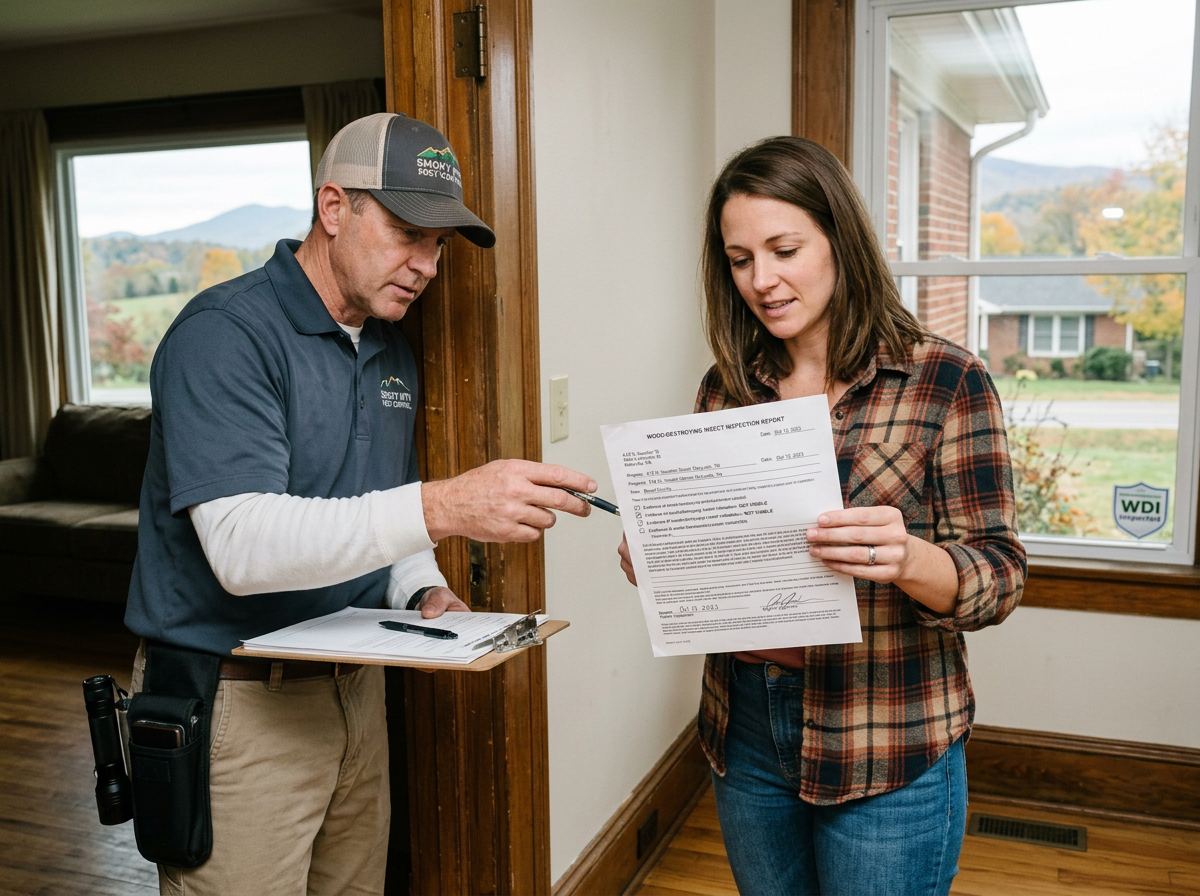
A WDI termite letter summarizes the results of a wood-destroying insect inspection performed on a property in Blount County. It identifies active termite activity, prior damage, and conditions that could lead to future issues, helping buyers decide whether to proceed with the purchase or request repairs.
What the WDI Letter Typically Covers
The document starts with property details such as address and inspection date. It then lists any evidence of subterranean termites, drywood termites, or other wood-destroying insects found during the visit. Inspectors note visible damage to framing, flooring, or trim, along with moisture problems that often attract pests in East Tennessee crawl spaces. The letter also flags conducive conditions like soil-to-wood contact or poor ventilation. Buyers in Maryville often see references to Real Estate WDI Inspection results that guide negotiations with sellers.
Common Findings in Blount County Homes
Properties around Maryville and nearby communities frequently show signs of termite activity due to the region's clay soils and seasonal humidity. Letters commonly report mud tubes along foundation walls or damaged sill plates in older homes near the Little River. Some inspections note swarmers inside attics or discarded wings near windows during spring months. These observations connect directly to local patterns discussed in When Do Termites Swarm in Maryville and Blount County?. Homeowners can cross-check findings against the home's age and prior treatment history listed in county records.
How the Letter Influences the Buying Process
Lenders in Blount County often require a clear or treated WDI letter before finalizing a mortgage. If active termites appear, buyers may ask the seller to handle treatment or adjust the sale price. The letter can also reveal hidden damage that affects home value and insurance eligibility. Practical checks include reviewing the inspection map for exact damage locations and confirming whether any prior treatments are documented. This information helps buyers weigh repair needs against their budget and timeline for moving into the area.
Practical Steps After Receiving the Letter
Read the entire report before signing any paperwork and note any sections marked as active or inactive. Schedule a follow-up visit with a local company if the findings mention moisture issues or wood-to-soil contact. Compare recommendations against options like those outlined in Liquid Barrier vs Bait Stations: Which Fits East Tennessee Homes?. Walk the crawl space yourself if accessible, checking for new mud tubes or soft wood that the inspector may have flagged. Keep the letter with closing documents for future reference when selling the home later.
Local Factors Specific to Maryville and Blount County
Homes near the foothills or along creeks in areas like Walland and Rockford face higher moisture levels that draw termites into crawl spaces, as explained in Why Crawl Spaces Draw Termites in Maryville Homes. Older neighborhoods with original pier-and-beam construction often receive more detailed notes on joist damage. Buyers should consider how the property's location near the Great Smoky Mountains affects seasonal termite pressure. Reviewing the letter alongside a standard home inspection gives a fuller picture of structural condition before finalizing the purchase in this part of East Tennessee.